

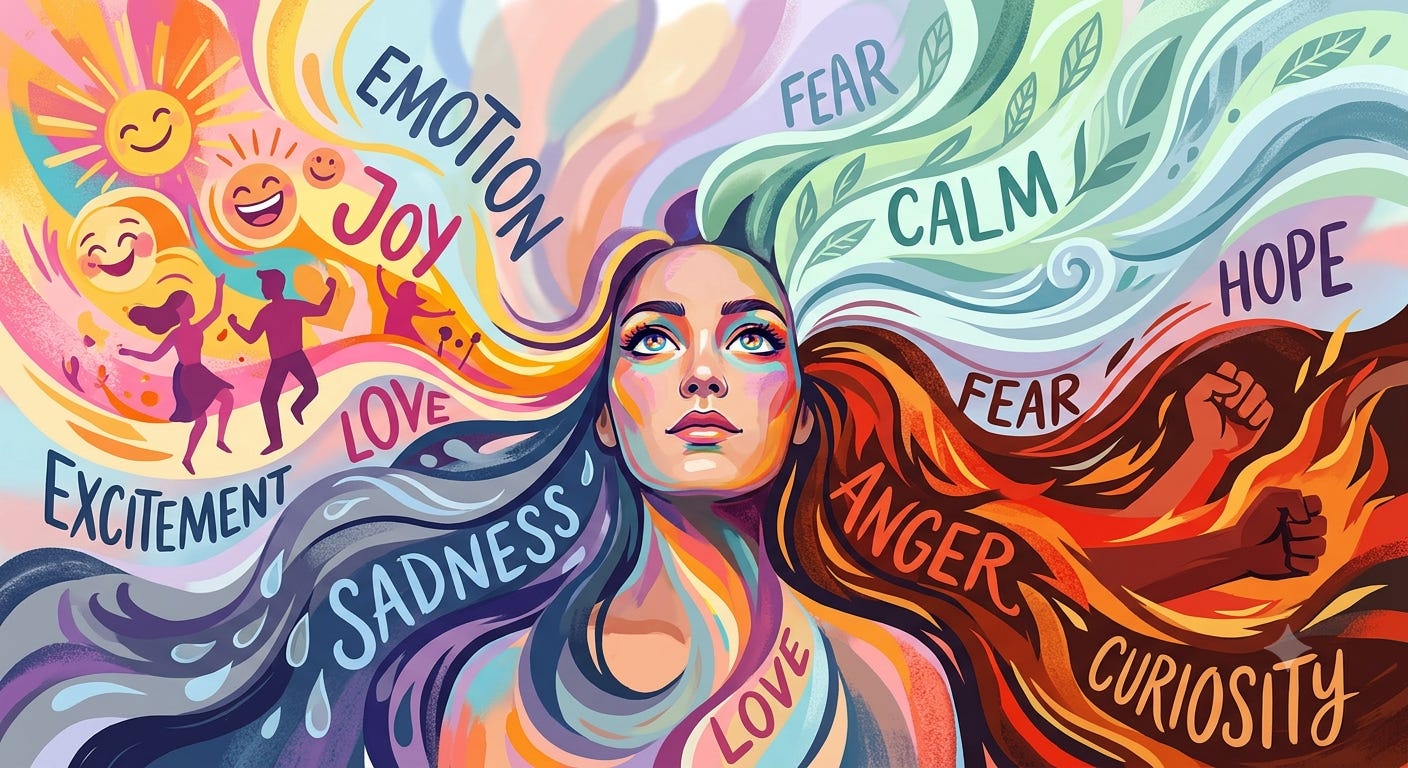
For a long time, I saw my emotions as unwanted guests. I just wanted them to go away as soon as they showed up.
When I felt anxious, I tried to push it aside. If I got angry, I felt embarrassed and out of control. When I was overwhelmed, I wondered if something was wrong with me.
Many of us respond like this, but it rarely helps.
Over time, I discovered something that changed how I saw things.
Your Emotions Are Like Dashboard Warning Lights
Imagine you’re driving and the check engine light turns on. You wouldn’t just hide it or smash the dashboard because it’s annoying.
You’d know it’s there to warn you about a problem.
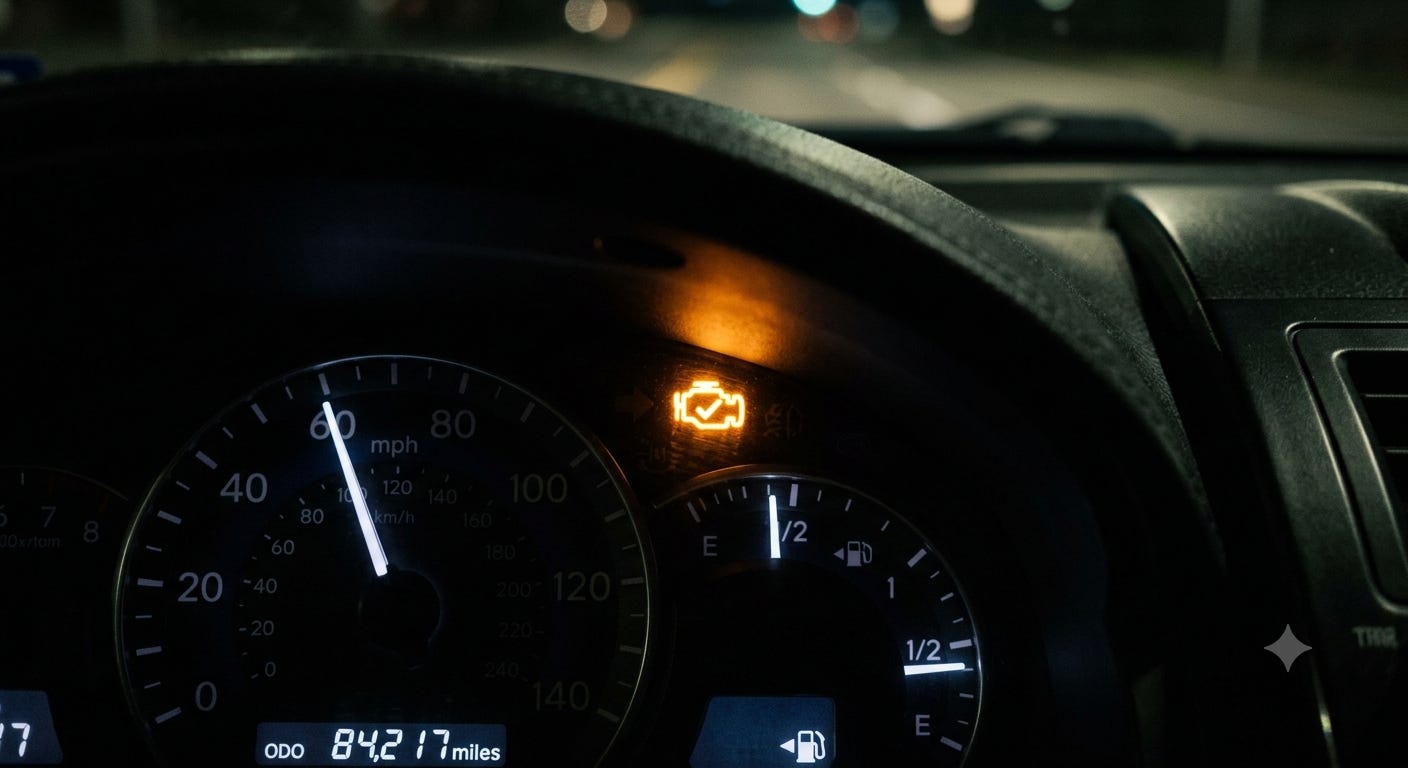
Emotions are similar. Fear might mean you’re unsure about something. Frustration can show you need something you’re not getting. Guilt can mean you’ve gone against your values. Joy shows you what’s important to you.
Every emotion is asking you to notice something. The key is to figure out what it means before you react.
So Why Do Emotions Feel So Powerful?
If emotions are just messages, why do they sometimes feel so intense?
It starts with your nervous system, which has one main job: keeping you safe. It’s always checking what’s happening around you and keeps asking, Am I safe?
If the answer feels like “no,” your body reacts before your mind can catch up. Your heart beats faster, your muscles tense up, and your breathing becomes shallow.
After that, your mind starts to create a story to explain why you feel scared. That’s why anxiety can seem so real. Your body sounds the alarm, and your mind tries to figure out why.
What happened?
Your Boss Walks Past You Without Saying Hello
One person might spend the next hour thinking, “He’s mad at me. Did I mess something up?”
Someone else just shrugs and thinks, “Rough morning, I guess.”
It’s the same walk and the same silence, but two totally different afternoons. Nothing actually happened between you and your boss. He just walked by, and that’s all. The rest came from the story you told yourself about what it meant.
This happens all the time. Maybe a text isn’t answered for hours, a friend seems distant at dinner, or traffic makes you late. The event itself is neutral, but your brain quickly adds meaning without you even noticing.
That meaning comes from old beliefs, past experiences, and habits you formed long ago. For example, someone who grew up tiptoeing around an unpredictable parent might see silence as a warning sign. That lesson made sense back then, but it doesn’t help anymore. Still, the brain keeps using it.
The good news is you can change the story.
Four Questions To Ask When Emotions Take Over
Instead of asking, “How can I get rid of this feeling?” try asking yourself better questions:
What am I really feeling?
Be specific when you name the emotion. Don’t just call it “bad,” “off,” or “weird.” Try saying something like “Anxiety about my job interview” or “Sadness after my breakup.”
UCLA research shows that simply naming an emotion can make it feel less intense. It helps your brain shift from reacting automatically to being more aware.
What is this emotion trying to tell me?
Try to be curious. Being curious helps you avoid judging yourself, which only makes emotions harder to handle.
Is the story I’m telling myself really true?
Ask yourself if it’s really true, not just probably true or feels true, but something most people would agree with. Often, it isn’t.
What does my nervous system need right now?
Maybe you need to take a walk, breathe slowly, or talk to someone who supports you. Sometimes, even if we don’t want to admit it, we just need some sleep.
What Emotional Mastery Actually Is
People who are emotionally wise don’t react to every feeling right away. They pause, get curious, and ask what the emotion is trying to say before choosing how to respond.
Every emotion has something to tell you. The real question isn’t whether you’ll have tough emotions, but whether you’ll learn from what they’re trying to show you.
Over time, something surprising happens. Difficult emotions start to feel less like enemies and more
like helpful guides. They still show up, but they don’t control you anymore. That’s the real shift: you stop fighting your emotions and start learning from them.
Is there an emotion you’ve been struggling with that might have something to teach you?