

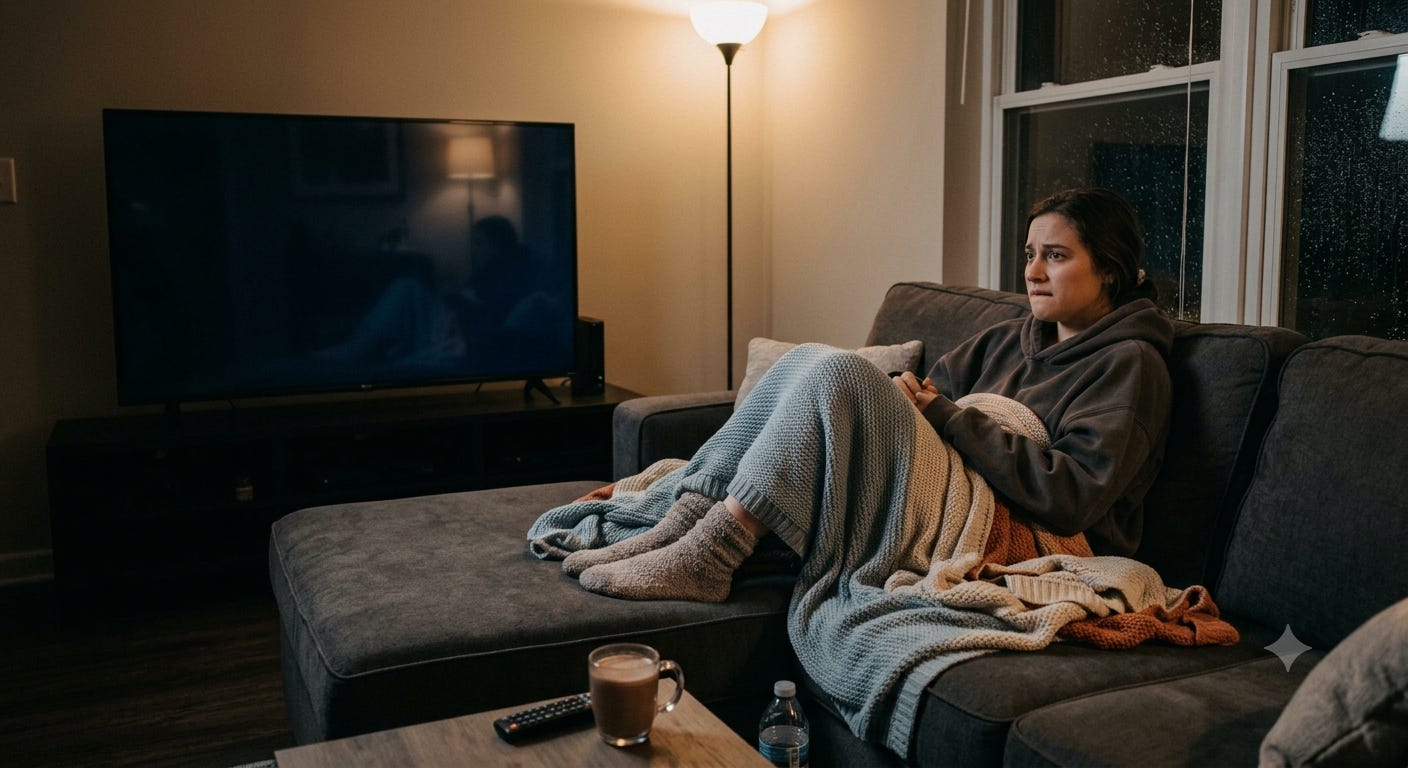
“I don’t think I’m going to go.”
It seems harmless. Maybe you feel tired, or it’s been a long week. You might tell yourself you’ll go another time.
But if anxiety is making the decision for you, that small choice could be teaching your brain something risky: that avoiding things works.
Living with anxiety can wear you out. You just want the feelings to stop, so you look for distractions and hope it goes away. Maybe you eat some ice cream, take a few deep breaths, or have a drink.
As anxiety gets stronger, you start to avoid the things that set it off. Maybe you get an invitation, have a meeting coming up, or the phone rings. Suddenly, your heart beats faster, your chest feels tight, and you feel a wave of dread. Right away, your mind suggests a way out: skip it, cancel, stay home, or say you’re busy.
Each time you choose the safer option, the relief feels immediate and real. Canceling plans, leaving a crowded room, or avoiding a difficult conversation makes the anxiety fade, at least for the moment. Your nervous system treats that relief as evidence that avoiding the situation worked. Before long, avoidance stops being something you do and starts shaping the life you live. Your world slowly gets smaller, the list of “safe” places grows shorter, and you find yourself changing more and more of your life just to avoid discomfort.
Every time you avoid something that makes you anxious, your brain learns to expect even more anxiety the next time.
The Amygdala Is Taking Notes
To understand why avoidance doesn’t work, it helps to know how your brain deals with threats. The amygdala, a small almond-shaped part deep in your brain, works like an internal alarm. It’s always watching for danger, and when it finds something that reminds it of a past threat, it reacts. This triggers the physical signs of anxiety: adrenaline, a faster heartbeat, feeling on edge, and wanting to get away.
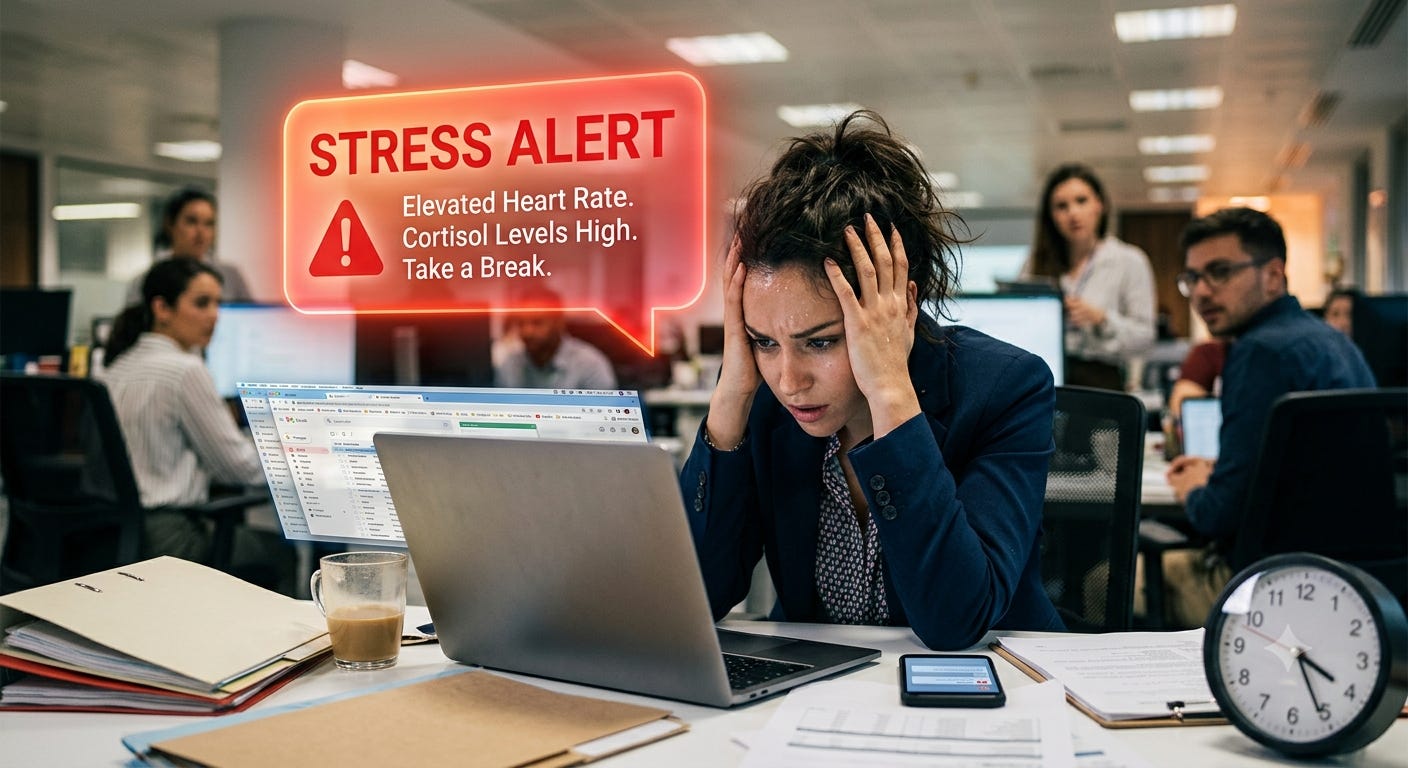
Your amygdala cares more about your actions than your thoughts. If you avoid something, it doesn’t think, “They skipped the party because they were tired.” Instead, it notes, “This was so dangerous we had to leave.” Each time you avoid something, it confirms the threat. Every time you escape, it strengthens the belief that the danger was real. Over time, your amygdala gets more sensitive, so more things set off the alarm, and you end up avoiding even more to keep anxiety away.
Researchers call this the anxiety-avoidance loop: anxiety makes you avoid things, avoiding brings relief, and that relief makes you want to avoid it again. So the next time something similar happens, your anxiety is just as strong or even worse. The world doesn’t have to get more dangerous, your body just becomes more convinced that it is.
How Avoidance Grows
Avoiding one situation usually doesn’t stop there. For example, picture a woman who has a panic attack in a crowded movie theater. She leaves early, gets some fresh air, and feels better. The next week, a busy restaurant makes her feel the same way, so she steps outside again. After a few months, any crowded place, the subway, a waiting room, or a birthday party, feels impossible.

Over time, avoidance doesn’t just affect one part of your life, it starts to affect everything. What might look like shyness or introversion from the outside is often a nervous system that has learned to see connection as a threat.
Avoidance isn’t always easy to spot. Sometimes it means turning down invitations or calling in sick. Other times, it shows up as staying busy all the time, putting things off, over-planning, or always needing a backup plan. No matter how it looks, it keeps your brain from learning that you can handle what you fear.
That moment matters because anxiety naturally goes up and then down if you don’t run away or avoid it. Your body can’t stay on high alert forever. If you stay in the situation you fear for a while, you’ll see the anxiety eventually fades. When you don’t leave and nothing bad happens, your brain has to rethink what is actually dangerous.
Your brain gets new evidence.
Maybe this wasn’t dangerous after all.
Avoidance takes away your brain’s chance to learn something new. So the belief that the situation is dangerous stays, and the pattern keeps going.
The Paradox of Trying Not to Be Anxious
There’s another side to this, beyond just avoiding situations, and it can be even more harmful over time. Many people with anxiety aren’t just avoiding things around them, they’re also fighting the feeling of anxiety itself.
They tense up, judge themselves for feeling anxious, worry about what it means, keep checking how bad it is, and get worn out trying to hide it from others.
Trying not to feel anxious is just another kind of avoidance.
It works the same way as avoiding things on the outside and leads to the same results. The more you try to push anxiety away, the more you focus on it, and the stronger it gets. It’s like trying to make yourself fall asleep: the harder you try, the harder it is. The main point is simple: fighting anxiety can keep it going.
The more you focus on anxiety while trying to get rid of it, the louder it often gets. As the saying goes, what you resist persists.
People who often judge or hide their emotions are more likely to have anxiety and depression. When you judge yourself for feeling anxious, you add more stress, create shame, and make it even harder to handle the original feeling.
Trying to get rid of anxiety just makes the struggle worse.
The safest choice isn’t always truly safe, and that’s the paradox of anxiety. What feels safest right now can lead to more fear later.
Avoidance gives you relief today but brings more fear tomorrow. In the end, it costs more than it protects.
The good news is that if your brain learned this pattern, it can learn a new one.
That’s when your brain can start to write a different story.